
Schoolbegin ⏤ School News in Nigeria and Free Guide: An Overview
Schoolbegin delivers vital Nigerian school updates, a comprehensive guide, and crucial information regarding the February 18, 2026 resumption date, alongside essential resources.
Nigeria’s education system is a multi-tiered structure encompassing primary, secondary, and tertiary levels, reflecting its federal structure of 36 states plus the Federal Capital Territory, Abuja. Historically, education evolved from early missionary schools to a nationally standardized system. Today, it grapples with challenges like infrastructure deficits and teacher shortages, impacting access and quality.
The system is broadly divided into Universal Basic Education (UBE), encompassing nine years of compulsory schooling – six years of primary and three years of junior secondary. Senior secondary follows, preparing students for university entrance exams. Nigeria’s diverse linguistic landscape means English serves as the primary language of instruction, alongside indigenous languages at the primary level. The nation’s commitment to education is vital for its future development, despite ongoing hurdles.
Current Academic Calendar & Resumption Dates (February 18, 2026)
The Nigerian academic calendar traditionally follows a three-term system, though disruptions due to various factors, including public holidays and unforeseen circumstances, are common. As of today, February 18, 2026, schools across the nation are slated to resume for the second term. However, recent concerns voiced by the Nigerian Medical Association (NMA) regarding potential health risks associated with this resumption date have sparked debate.
These concerns necessitate careful monitoring of public health conditions. The Ministry of Education continually assesses the situation and may adjust the calendar accordingly. Parents and students are advised to stay updated through official channels for any changes. Precise term dates vary slightly between states and individual schools, so confirming directly with the institution is crucial for accurate planning.

National News Affecting Schools
Recent national developments, including NMA concerns about school resumption and broader issues of political stability, significantly impact the Nigerian educational landscape currently.
Nigerian Medical Association (NMA) Concerns Regarding Resumption Dates
The Nigerian Medical Association (NMA) has voiced significant displeasure regarding the recently announced February 18, 2026, resumption date for primary and secondary schools across the nation. These concerns stem from the ongoing public health situation and potential risks associated with large gatherings of students, teachers, and staff.
Specifically, the NMA fears a potential surge in infectious disease transmission within school environments, particularly given existing strains on the healthcare system. They advocate for a more cautious approach, potentially including staggered resumption dates or enhanced safety protocols, such as mandatory mask-wearing, increased sanitation, and readily available testing facilities. The association emphasizes the need to prioritize the health and safety of students and educators, urging the government to reconsider the current timeline and engage in further consultations with medical professionals before implementation.
Abuja National Mosque & National Identity
The Abuja National Mosque stands as a prominent symbol of Nigeria’s Islamic faith and national identity, located in the heart of the Federal Capital Territory. Its architectural grandeur reflects a blend of traditional Islamic design and modern aesthetics, serving as a focal point for religious observance and community gatherings.
Beyond its religious significance, the Mosque represents Nigeria’s diverse cultural landscape and commitment to religious freedom. It’s a landmark frequently featured in national broadcasts and imagery, reinforcing a sense of unity and shared heritage. Understanding such national symbols is crucial for students, fostering civic awareness and appreciation for Nigeria’s rich history. The Mosque’s presence in Abuja underscores the city’s role as a unifying force within the Federal Republic of Nigeria, a nation with a complex and vibrant identity.
Nigeria’s Geographical & Political Landscape
Nigeria, Africa’s most populous nation, boasts a diverse geography spanning coastal regions at the Bight of Benin and Gulf of Guinea, through forests, savannahs, and the Sahel. This varied terrain influences regional development and presents unique challenges for education access and infrastructure. Politically, Nigeria operates as a federal republic comprised of 36 states and the Federal Capital Territory, Abuja.
Understanding this structure is vital for navigating the Nigerian school system, as educational policies and calendars can vary by state. Bordering countries include Benin, Chad, Cameroon, and Niger, contributing to a complex geopolitical environment. Historical and ongoing instances of political and communal violence impact school operations and student safety, necessitating awareness and preparedness. Nigeria’s vastness and diversity demand a nuanced understanding for effective educational planning and resource allocation.
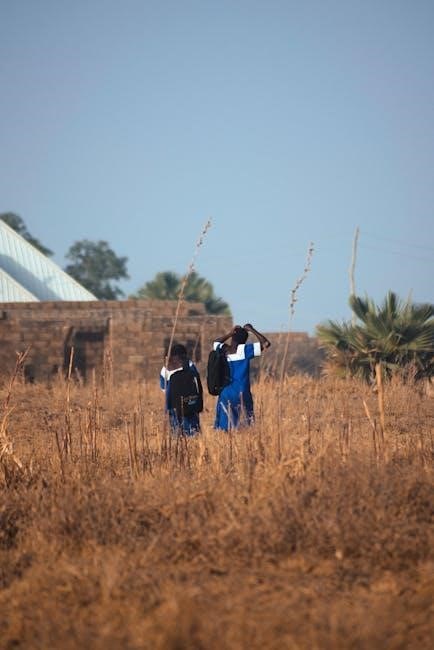
Regional School News & Updates
Schoolbegin provides localized updates from Lagos, Kano, Rivers, and Abuja, detailing specific resumption details, challenges, and educational initiatives within each Nigerian region.
School News from Lagos State
Schoolbegin reports that Lagos State schools are preparing for the February 18, 2026 resumption date, with a focus on ensuring a safe learning environment for all students. Authorities are addressing infrastructure deficiencies, a common challenge across Nigeria, to accommodate the large student population.
Concerns raised by the Nigerian Medical Association (NMA) regarding potential health risks associated with the resumption date are being carefully considered by Lagos State officials. Increased sanitation measures and adherence to health guidelines are prioritized. Lagos, a major economic and cultural hub, faces unique challenges related to population density and traffic congestion, impacting school commutes.
The state government is actively working on initiatives to improve teacher training and address teacher shortages, crucial for maintaining educational quality. Schoolbegin will continue to provide updates on Lagos State’s educational landscape.
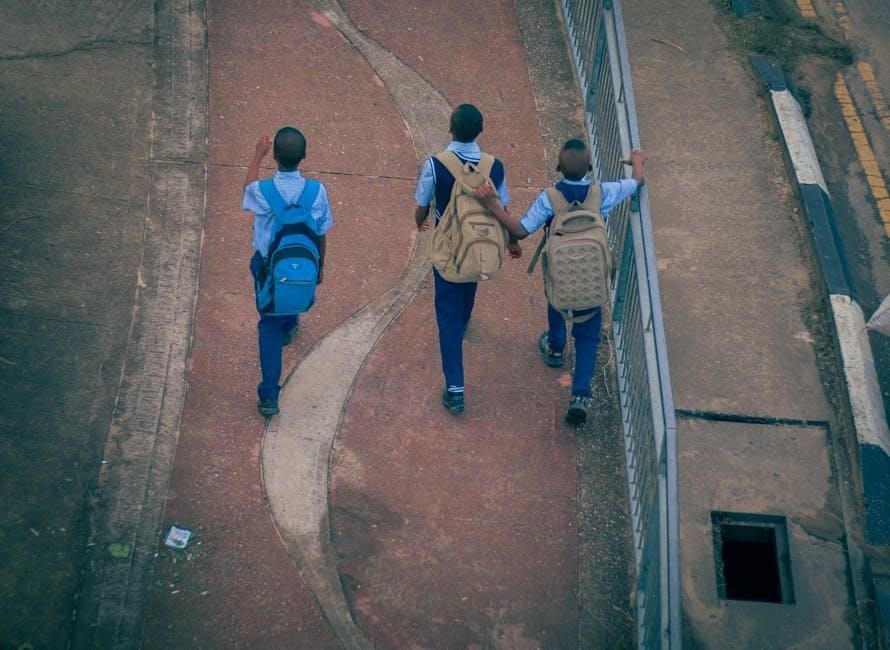
School News from Kano State
Schoolbegin confirms Kano State schools are gearing up for the nationwide resumption on February 18, 2026. Authorities are focused on addressing infrastructure gaps, a persistent issue impacting educational quality throughout Nigeria, particularly in more densely populated areas. Kano, situated in northern Nigeria, presents unique regional challenges.
The Nigerian Medical Association’s (NMA) expressed concerns about the resumption date are being evaluated by Kano State’s education ministry, with potential adjustments to health protocols under consideration. Kano’s geographical location and climate necessitate specific health and safety measures.
Efforts are underway to bolster teacher training programs and mitigate teacher shortages, vital for maintaining educational standards. Schoolbegin will continue to monitor and report on developments within Kano State’s school system, providing parents and students with timely updates.
School News from Rivers State
Schoolbegin reports that Rivers State schools are preparing for the February 18, 2026 resumption date, with a focus on ensuring a safe learning environment for students. The state’s education ministry is actively addressing infrastructure deficiencies, a common challenge across Nigeria, particularly in regions with complex terrains.
Concerns raised by the Nigerian Medical Association (NMA) regarding the resumption date are being carefully considered, with potential adjustments to health guidelines being evaluated. Rivers State, located in the Niger Delta, faces unique environmental and logistical considerations.
Initiatives to recruit and train qualified teachers are underway to combat existing shortages and enhance the quality of education. Schoolbegin will provide ongoing updates on school-related news and developments within Rivers State, keeping parents and students informed.
School News from Abuja Federal Capital Territory
Schoolbegin confirms that schools within the Abuja Federal Capital Territory are gearing up for the nationwide resumption on February 18, 2026. As the nation’s capital, Abuja serves as a focal point for educational policy and implementation, with a higher concentration of resources compared to some other states.
The proximity of the Abuja National Mosque and the importance of national identity are reflected in the curriculum, fostering civic responsibility. However, like the rest of Nigeria, Abuja schools grapple with infrastructure challenges and teacher shortages.
The FCT Education Secretariat is prioritizing teacher training programs and seeking to improve school facilities. Schoolbegin will continue to monitor and report on developments, providing parents and students with timely and relevant information regarding the educational landscape in Abuja.
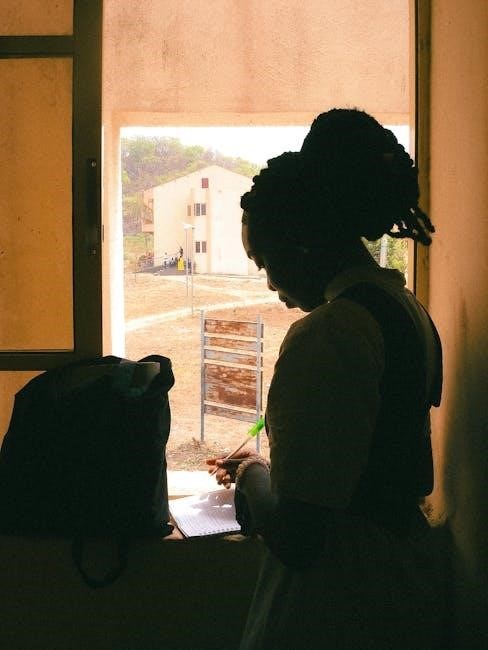
Key Challenges Facing Nigerian Schools
Schoolbegin highlights critical issues: infrastructure deficits, political and communal violence, and significant teacher shortages impacting the quality of education nationwide.
Infrastructure Deficiencies in Nigerian Schools
Schoolbegin reports that Nigeria’s vast population and developing status contribute to significant infrastructure challenges within its educational system. Many schools across the 36 states and the Federal Capital Territory lack basic necessities, hindering effective learning. These deficiencies encompass dilapidated buildings, insufficient classrooms, inadequate furniture, and a severe shortage of essential learning materials like textbooks and computers.
Furthermore, access to clean water, sanitation facilities, and reliable electricity remains limited in numerous institutions. This impacts student health, hygiene, and overall well-being. The uneven distribution of resources exacerbates the problem, with rural schools often facing more acute shortages than their urban counterparts. Addressing these infrastructural gaps is paramount to improving educational outcomes and ensuring equitable access to quality education for all Nigerian children, as highlighted by Schoolbegin.
Political and Communal Violence Impacting Education
Schoolbegin acknowledges that Nigeria has experienced periods of political and communal violence, significantly disrupting the educational process. These conflicts create unsafe learning environments, leading to school closures, displacement of students and teachers, and psychological trauma. Areas affected by insurgency and inter-communal clashes often witness decreased school enrollment and increased dropout rates, particularly among girls.
The instability hinders consistent access to education and negatively impacts academic performance. Furthermore, violence can damage school infrastructure, exacerbating existing deficiencies. Schoolbegin emphasizes the urgent need for increased security measures around schools, psychosocial support for affected students and educators, and community-based peacebuilding initiatives to mitigate the detrimental effects of conflict on education and foster a safe and conducive learning atmosphere for all.
Teacher Shortages and Training Needs
Schoolbegin recognizes a critical shortage of qualified teachers across Nigeria as a major impediment to educational quality. This scarcity is particularly acute in rural areas and specific subject areas like STEM. Existing teachers often lack adequate training, professional development opportunities, and sufficient resources to effectively deliver quality instruction.
Addressing this requires substantial investment in teacher recruitment, training programs focused on modern pedagogical techniques, and ongoing professional development initiatives. Schoolbegin advocates for improved teacher compensation and working conditions to attract and retain skilled educators. Furthermore, specialized training is needed to address the psychosocial needs of students impacted by violence and displacement, ensuring teachers are equipped to provide holistic support and contribute to a thriving educational system.
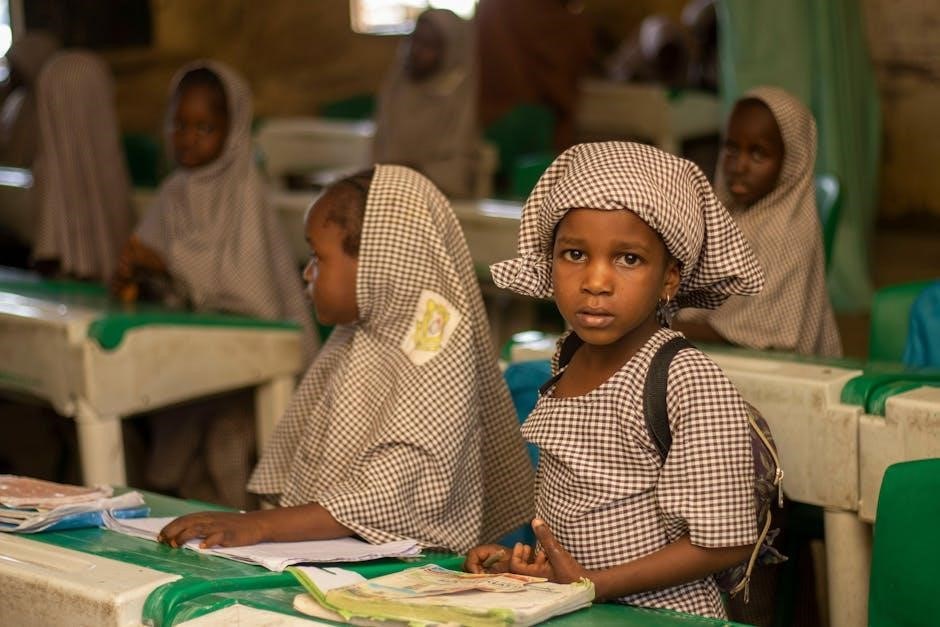
Free Guide: Navigating the Nigerian School System
Schoolbegin’s guide clarifies Nigeria’s 36 states, the Federal Capital Territory, and outlines primary, secondary, and university pathways for students and parents.
Understanding the 36 States and Federal Capital Territory
Nigeria operates as a federal republic, uniquely structured with 36 states and the Federal Capital Territory, Abuja, serving as the nation’s capital. Each state possesses its own government, managing local education systems and implementing national policies. Understanding this structure is crucial for navigating school admissions and understanding regional variations in academic calendars.
States like Lagos and Rivers demonstrate significant educational investment, while others face infrastructure challenges. Nigeria’s diverse geography—spanning coastal regions, forests, and savannahs—influences educational access and resources. The Federal Capital Territory, Abuja, directly overseen by the federal government, often sets standards for educational quality. Knowing the specific regulations and requirements of each state is paramount for parents and students.
Bordering countries like Benin, Chad, and Cameroon, Nigeria’s states reflect a rich tapestry of cultures and languages, impacting educational approaches. This decentralized system requires diligent research to ensure compliance and successful enrollment.
Primary School Enrollment and Requirements
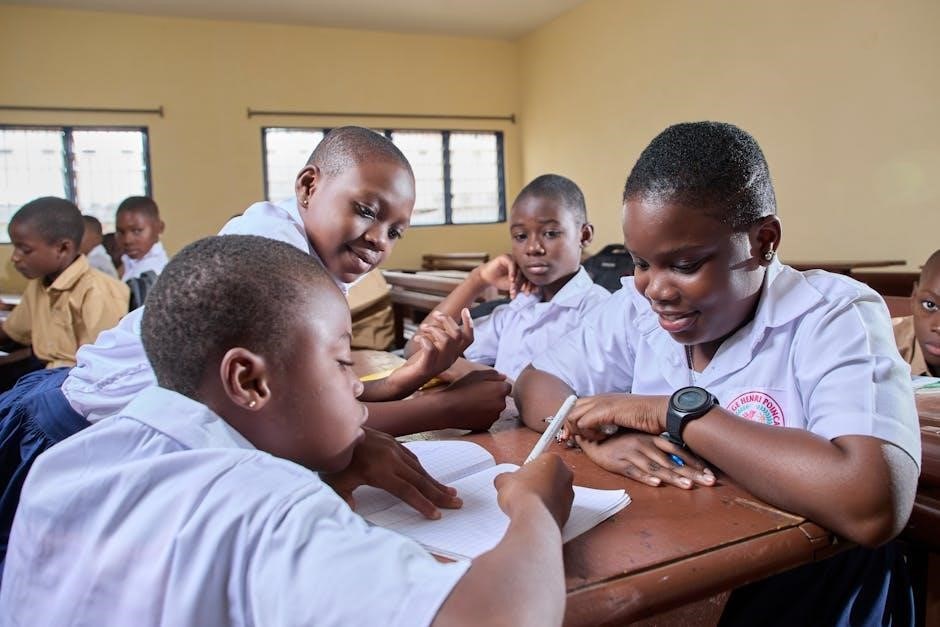
Primary school enrollment in Nigeria typically begins around age six, though specific age requirements can vary slightly by state. Generally, a birth certificate or a sworn affidavit confirming the child’s age is essential. Many schools also require a recent passport photograph and a completed enrollment form.
Public primary schools are generally free, but parents may need to cover costs for uniforms, textbooks, and other learning materials. Private primary schools involve tuition fees, which differ significantly based on the school’s facilities and reputation. Increasingly, schools are requesting proof of prior immunization records.
Some states may require a letter of local government area (LGA) endorsement. Understanding the specific requirements of the chosen school and state is vital for a smooth enrollment process. Early registration is often recommended, especially in densely populated areas, to secure a place.
Secondary School Pathways: JSS, SSS, and Examinations
The Nigerian secondary school system is structured into Junior Secondary School (JSS), spanning three years, followed by Senior Secondary School (SSS), also three years in duration. Upon completing JSS 3, students typically sit for the Basic Education Certificate Examination (BECE), though its importance varies by state.
SSS 1-3 prepares students for the Senior Secondary Certificate Examination (SSCE), administered by the National Examinations Council (NECO) and the West African Examinations Council (WAEC). WAEC is generally considered the more widely recognized qualification for university admissions.
Performance in the SSCE is crucial for gaining access to higher education. Students choose subjects aligned with their desired university courses. Successful completion of SSS and a strong SSCE result are prerequisites for university applications in Nigeria.
University Admission Processes in Nigeria
Gaining admission to Nigerian universities is highly competitive, primarily managed through the Joint Admissions and Matriculation Board (JAMB). Prospective students must first sit for the Unified Tertiary Matriculation Examination (UTME), a standardized aptitude test.
After the UTME, JAMB compiles a list of candidates and assigns them to universities based on their scores, preferences, and the universities’ admission quotas. Universities then conduct their own post-UTME screenings – often involving further tests and interviews – to assess candidates.
Admission is ultimately determined by a combination of UTME score, post-UTME performance, and the availability of spaces. Successful applicants are offered admission through JAMB’s Central Admission Processing System (CAPS).

Resources for Parents and Students
Schoolbegin provides links to online educational platforms, scholarship opportunities, and vital websites offering comprehensive school information for Nigerian students and parents.
Online Educational Platforms for Nigerian Students
Schoolbegin recognizes the growing importance of digital learning and highlights several online platforms benefiting Nigerian students. These resources offer supplementary learning materials, interactive lessons, and exam preparation tools, bridging educational gaps and enhancing understanding. Platforms like Coursera and edX provide access to globally recognized courses, while local initiatives are emerging to cater specifically to the Nigerian curriculum.
Furthermore, numerous websites offer past question papers and study guides for key examinations like the Joint Admissions and Matriculation Board (JAMB) Unified Tertiary Matriculation Examination (UTME). These platforms often include mock tests and performance analysis, helping students gauge their readiness. Access to reliable internet connectivity remains a challenge in some regions, but the increasing availability of affordable data plans is expanding access to these valuable resources, empowering Nigerian students to excel academically.
Scholarship Opportunities for Nigerian Students
Schoolbegin understands the financial barriers to education and compiles a list of available scholarship opportunities for Nigerian students. Numerous organizations, both domestic and international, offer financial aid to deserving students at various educational levels – primary, secondary, and tertiary. These scholarships aim to alleviate the burden of tuition fees, accommodation, and other educational expenses.
Opportunities include those offered by the Nigerian government, private companies, and international bodies like the African Union. Websites dedicated to scholarship listings, such as ScholarshipRegion and Opportunities For Africans, provide comprehensive databases searchable by field of study and academic level. Students are encouraged to research and apply for scholarships that align with their academic goals and financial needs, maximizing their chances of securing funding for a brighter future.
Important Websites for School Information
Schoolbegin recognizes the need for readily accessible school information and provides a curated list of vital online resources for Nigerian students, parents, and educators. The Federal Ministry of Education website (education.gov.ng) serves as the primary source for national policies, guidelines, and announcements regarding the Nigerian education system.
Additionally, websites like the National Universities Commission (NUC) – nuc.edu.ng – offer detailed information about accredited universities and degree programs. For scholarship opportunities, ScholarshipRegion and Opportunities For Africans are invaluable. State Ministry of Education websites provide localized updates and school-specific details. Regularly checking these platforms ensures access to the latest news, admission requirements, and crucial updates impacting the Nigerian educational landscape, empowering informed decision-making.
Looking Ahead: Future of Education in Nigeria
Schoolbegin envisions a future where technology, government initiatives, and addressing key challenges combine to create a brighter, more equitable educational system for Nigeria.
Government Initiatives to Improve Education
Schoolbegin reports that the Nigerian government recognizes the critical need for educational reform, implementing various initiatives to bolster the sector. These efforts aim to address infrastructure deficiencies, a significant hurdle impacting learning environments across the 36 states and the Federal Capital Territory.

Focus is placed on increasing budgetary allocations to education, though consistent funding remains a challenge. Programs are underway to enhance teacher training and recruitment, tackling the existing teacher shortages. The government also seeks to leverage technology, integrating digital learning tools into classrooms to broaden access and improve educational quality.
Furthermore, initiatives target improved access to primary and secondary education, particularly in underserved regions. While progress is being made, sustained commitment and effective implementation are crucial for realizing lasting improvements in Nigeria’s educational landscape, as highlighted by Schoolbegin.
The Role of Technology in Nigerian Schools
Schoolbegin observes a growing recognition of technology’s transformative potential within Nigerian education. Despite infrastructure challenges, efforts are increasing to integrate digital learning tools into classrooms nationwide. Online educational platforms are emerging, offering students access to a wider range of resources and learning opportunities, bridging gaps created by limited physical resources.
The government is exploring initiatives to provide schools with computers and internet access, though equitable distribution remains a key concern. Digital literacy training for teachers is also a priority, ensuring they can effectively utilize these new tools;
Technology offers solutions for remote learning, particularly vital given instances of political and communal violence disrupting traditional schooling. Schoolbegin believes that continued investment in educational technology is crucial for modernizing Nigeria’s education system and preparing students for the future.
Addressing the Challenges for a Brighter Future
Schoolbegin recognizes that overcoming Nigeria’s educational hurdles requires a multifaceted approach. Addressing infrastructure deficiencies – dilapidated buildings and lack of resources – is paramount, demanding sustained government investment and community involvement. Simultaneously, tackling teacher shortages through improved training programs and incentives is crucial for quality education.
Mitigating the impact of political and communal violence on schooling necessitates enhanced security measures and flexible learning options, like remote education. Equitable access to education, regardless of geographical location or socioeconomic status, must be prioritized.
Schoolbegin advocates for continued government initiatives, strategic partnerships, and a commitment to leveraging technology to build a more resilient and effective education system for all Nigerian children, fostering a brighter future.