
Battery Cable Size Guide: A Comprehensive Overview
Volvo owners frequently encounter battery and charging system issues, particularly with start-stop systems and auxiliary batteries, necessitating careful cable selection and maintenance for optimal performance․
Understanding Battery Cable Gauge
Battery cable gauge refers to the wire’s thickness, inversely related to the gauge number – a lower number indicates a thicker wire․ This thickness dictates the maximum amperage a cable can safely carry, crucial for delivering sufficient power to start the vehicle and operate electrical components․ Selecting the correct gauge prevents overheating, voltage drop, and potential electrical fires․ Volvo’s systems, especially those with start-stop functionality and auxiliary batteries, demand appropriately sized cables․ Ignoring this can lead to charging warnings, start-stop system failures, and reduced battery lifespan, as reported by numerous Volvo owners experiencing issues with their vehicle’s electrical systems․

Importance of Correct Cable Size
Utilizing the correct battery cable size is paramount for reliable vehicle operation, particularly in modern vehicles like Volvos with complex electrical systems․ Undersized cables create excessive resistance, leading to voltage drop, hindering starter performance, and potentially damaging sensitive electronic components like the ECU․ Volvo owners frequently report issues with the start-stop system failing or receiving “low battery charge” warnings when cables are inadequate․ Proper sizing ensures efficient power delivery, maximizing battery life and preventing frustrating malfunctions․ Ignoring this crucial aspect can result in costly repairs and diminished vehicle functionality, as evidenced by numerous online accounts․
Factors Influencing Cable Size Selection
Several key factors dictate the appropriate battery cable size for your vehicle․ Battery capacity (measured in amp-hours) is fundamental; larger batteries demand thicker cables․ Cable length significantly impacts voltage drop – longer runs require larger gauges to compensate for increased resistance․ Volvo’s start-stop systems and auxiliary batteries, as noted by owners, increase current draw, necessitating robust cabling․ Accessory loads, such as aftermarket audio systems or lighting, further contribute to this demand․ Accurate assessment of these elements is crucial; neglecting any factor can lead to performance issues and system failures, particularly with the sensitive electronics found in modern vehicles․
Battery Capacity (Amp-Hours)
Battery capacity, measured in amp-hours (Ah), directly correlates with the required cable size; A higher Ah rating indicates the battery can deliver more current over a longer period․ Consequently, larger capacity batteries, like the 70Ah Volvo EFB batteries commonly found in their vehicles, necessitate thicker cables to handle the increased current flow․ Insufficient cable gauge restricts current delivery, hindering starting performance and potentially damaging the battery․ Owners reporting issues with low battery warnings after replacement emphasize the importance of matching cable size to the battery’s Ah rating for optimal system functionality and longevity․
Cable Length
The length of the battery cable significantly impacts voltage drop and, therefore, the required cable gauge․ Longer cable runs introduce more resistance, reducing voltage at the starter and other components․ Volvo vehicles, particularly those with auxiliary batteries located in the front bumper, often have extended cable lengths․ To compensate, a larger gauge cable is crucial to minimize voltage drop and ensure sufficient power delivery․ Ignoring cable length during selection can lead to starting issues, especially with start-stop systems, and contribute to the “low battery charge” warnings frequently reported by owners․
Current Draw of Accessories
The total current draw of all vehicle accessories must be considered when determining battery cable size․ Modern Volvo vehicles, equipped with numerous electrical systems – including infotainment, heated seats, and advanced driver-assistance features – place a substantial load on the battery․ The start-stop system, in particular, demands significant current during restarts․ Adding aftermarket accessories, like powerful audio systems or auxiliary lights, further increases the current demand․ Failing to account for this increased load can result in insufficient power, triggering warning lights and potentially damaging the battery or other electrical components․
Voltage Drop and Its Impact
Voltage drop occurs when electricity flows through a wire, causing a reduction in voltage at the receiving end․ Insufficient battery cable size exacerbates this issue, particularly in Volvo systems with demanding electrical loads like start-stop functionality․ Significant voltage drop can lead to reduced performance of accessories, slow cranking speeds, and even prevent the start-stop system from operating correctly, triggering “Low Battery Charge” warnings․ A noticeable drop impacts the Battery Management System (BMS) readings, potentially shortening battery lifespan․ Minimizing voltage drop ensures optimal system performance and reliable battery charging․
Calculating Required Cable Size
Determining the correct battery cable size requires careful consideration of several factors․ Utilizing voltage drop calculators is crucial, as they account for cable length, current draw, and acceptable voltage loss․ Alternatively, ampacity charts provide guidelines based on amperage and cable gauge; For Volvo vehicles with start-stop systems and auxiliary batteries, prioritize minimizing voltage drop to ensure reliable operation․ Remember to factor in peak current demands, not just average draw․ Accurate calculations prevent performance issues and protect the BMS from inaccurate readings, extending battery life and system reliability․
Using Voltage Drop Calculators

Voltage drop calculators are essential tools for precise cable sizing․ Input the cable length, amperage, and desired voltage drop percentage (typically 3% or less)․ These calculators determine the minimum acceptable wire gauge to maintain optimal system performance․ Volvo’s complex electrical systems, including start-stop functionality and auxiliary batteries, demand accurate calculations․ Ignoring voltage drop can lead to reduced starting power, BMS errors, and premature battery failure․ Online calculators are readily available, simplifying the process and ensuring compatibility with various battery types like AGM and EFB․
Understanding Ampacity Charts
Ampacity charts detail the maximum current a wire gauge can safely carry․ These charts are crucial for selecting cables capable of handling the combined load of starting currents and accessory demands, especially in Volvo vehicles with power-hungry systems․ Consider the cable’s insulation type, as temperature ratings affect ampacity․ Exceeding the ampacity rating causes overheating, insulation breakdown, and potential fire hazards․ Charts typically list ampacities for copper and aluminum cables․ Always prioritize safety and choose a gauge with sufficient headroom to accommodate peak loads and ensure reliable performance of the battery and charging system․

Common Battery Cable Gauges and Their Applications
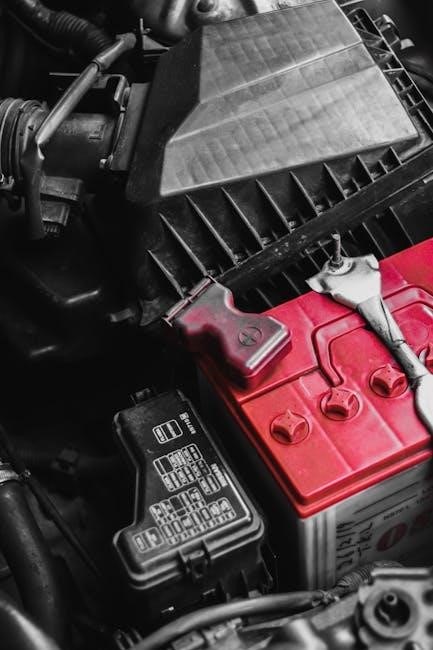
Selecting the correct gauge is vital for reliable power delivery․ 4 AWG cable suits many standard applications, providing ample current for typical starting and accessory loads․ 2 AWG is preferred for high-performance systems or longer cable runs, minimizing voltage drop․ Volvo’s start-stop systems and auxiliary batteries often require 2 AWG or even 0 AWG, especially in larger engine vehicles, to handle the increased electrical demands․ 0 AWG is reserved for extreme power needs, like large winches or heavy-duty audio systems․ Always verify compatibility with your specific vehicle and battery configuration․
4 AWG Cable: Heavy-Duty Applications
4 AWG battery cable is a versatile choice for numerous automotive applications, offering a robust balance between flexibility and current-carrying capacity․ It’s well-suited for most standard vehicle starting systems, powering accessories like lights and stereos, and general-purpose electrical connections․ While sufficient for many Volvo models without complex electrical systems, it may be insufficient for vehicles equipped with power-hungry start-stop technology or substantial aftermarket additions․ Careful consideration of cable length and total current draw is crucial when opting for 4 AWG, ensuring minimal voltage drop and reliable performance․
2 AWG Cable: High-Performance Systems
For vehicles demanding substantial power, 2 AWG battery cable provides a significant upgrade in current capacity․ This gauge is particularly beneficial for Volvo models featuring advanced start-stop systems, large audio systems, or multiple high-draw accessories․ It minimizes voltage drop over longer cable runs, ensuring consistent power delivery to critical components like the ECU and auxiliary batteries․ While more rigid than 4 AWG, the increased performance justifies the trade-off for high-performance applications․ Proper crimping and terminal selection are vital to maximize conductivity and prevent connection failures with this heavier gauge cable․
0 AWG Cable: Extreme Power Demands
When dealing with exceptionally high current requirements, 0 AWG battery cable is the ultimate solution․ This heavy-duty gauge is ideal for heavily modified Volvo vehicles with substantial aftermarket electrical systems, including powerful audio setups, winches, or auxiliary lighting․ It effectively combats voltage drop even with extended cable lengths, guaranteeing reliable power delivery․ Installation requires specialized crimping tools and terminals due to the cable’s thickness․ While expensive and less flexible, 0 AWG ensures optimal performance and prevents potential electrical issues in extreme power applications, safeguarding the vehicle’s electrical integrity․
Battery Cable Materials: Copper vs․ Aluminum
Battery cables are traditionally made from either copper or aluminum, each possessing distinct advantages and disadvantages․ Copper offers superior conductivity, minimizing voltage drop and ensuring efficient power transfer – crucial for Volvo’s start-stop systems and auxiliary batteries․ However, copper is heavier and more expensive․ Aluminum, while lighter and more affordable, has lower conductivity, potentially leading to voltage drop, especially over longer cable runs․ For most automotive applications, particularly those demanding reliability like in modern vehicles, copper remains the preferred choice, despite the cost, to guarantee consistent performance and longevity․
Connecting Cables to the Battery Terminals
Secure and corrosion-free connections are paramount for reliable battery performance, especially in vehicles like Volvos with complex electrical systems․ Proper crimping techniques, utilizing a high-quality crimping tool, are essential for creating a gas-tight seal between the cable and the ring terminal․ Always use ring terminals of the correct size and gauge for the cable․ Avoid soldering, as it can make future disassembly difficult․ Regularly inspect connections for corrosion; cleaning with a battery terminal cleaner and applying a protective coating will ensure optimal conductivity and prevent issues with charging or start-stop functionality․
Proper Crimping Techniques
Achieving a robust electrical connection demands meticulous crimping․ Select a crimping tool specifically designed for battery cable terminals, ensuring it matches the cable gauge․ Insert the stripped cable fully into the barrel of the terminal․ A proper crimp creates a deformation that encapsulates the cable strands, forming a conductive bond․ Inspect the crimp visually – it should be evenly compressed and show no exposed strands․ A poor crimp introduces resistance, leading to voltage drop and potential system failures, particularly impacting Volvo’s start-stop systems and auxiliary battery performance․ Always re-inspect after installation․
Using Ring Terminals
Ring terminals are essential for secure battery connections, especially crucial for Volvo vehicles with their complex electrical systems, including auxiliary batteries․ Select a ring terminal that precisely matches the cable gauge and battery post size․ After proper crimping – ensuring full barrel coverage – slide the ring terminal onto the battery post, followed by a star washer and secure with the appropriate nut․ Tighten firmly, but avoid over-tightening, which can damage the post or terminal․ Regularly inspect these connections for corrosion, as this can impede current flow and affect start-stop functionality․

Identifying and Replacing Corroded Cables
Corrosion on battery cables significantly impacts performance, particularly in Volvos with start-stop systems and dual battery setups․ Look for a white or bluish powdery substance around the terminals and along the cable length․ This corrosion increases resistance, leading to low battery charge warnings and start-stop system malfunctions․ Severely corroded cables must be replaced entirely; cleaning is often a temporary fix․ When replacing, match the gauge and length of the original cable․ Ensure new terminals are properly crimped or soldered for a secure, low-resistance connection, restoring optimal charging and system functionality․
Specific Vehicle Considerations
Volvo vehicles, especially those with start-stop technology, present unique battery and cabling requirements․ Many models utilize both a main and an auxiliary battery, often an AGM type, demanding specific cable configurations․ Issues like “Battery Charging” warnings and disabled start-stop frequently stem from the auxiliary battery, located in the front bumper․ Replacing batteries requires a Battery Management System (BMS) reset to ensure proper charging and longevity․ Manual transmission Volvos may not require AGM batteries, but automatics do․ Always verify the correct battery type and cable compatibility for your specific Volvo model year and engine․
Volvo Battery Systems (Main & Auxiliary)
Volvo’s implementation of dual battery systems—main and auxiliary—is common in newer models, particularly those equipped with start-stop functionality․ The auxiliary battery, often a Yuasa or Exide AGM type (like YTX-12-BS or BTX-14 BS), powers the ECU memory and start-stop system․ Failure of either battery can trigger warning lights and disable features․ Correct replacement with the specified AGM type is crucial, as is a BMS reset․ Ignoring the auxiliary battery’s condition can lead to persistent charging issues even after replacing the main battery, highlighting the interconnectedness of these systems․
Start-Stop System Battery Requirements
Vehicles featuring start-stop technology demand robust battery performance․ Volvo specifically recommends Absorbent Glass Mat (AGM) batteries for automatic transmissions to handle the frequent engine restarts․ Manual transmission vehicles may not require AGM, but it’s often a safer choice for longevity․ A failing or incompatible battery will prevent the start-stop system from functioning, displaying “Battery charging” warnings even after extended drives or smart charging․ Proper battery management system (BMS) resetting post-replacement is vital to calibrate the system and prevent premature battery failure, ensuring optimal start-stop operation․
Troubleshooting Battery Charging Issues

Persistent “Low Battery Charge” warnings, even after charging, indicate deeper problems․ Volvo owners report this alongside non-functional start-stop systems․ Often, the auxiliary battery (located in the front bumper) is the culprit, not just the main battery․ A failing auxiliary battery impacts ECU memory and start-stop functionality․ Thoroughly check both batteries, ensuring correct voltage and capacity․ Resetting the Battery Management System (BMS) is crucial after any battery replacement to allow the car to recognize the new battery and properly manage charging․ Ignoring these steps can drastically shorten battery lifespan․
Low Battery Charge Warnings
Frequent “Low Battery Charge” alerts on Volvo dashboards are a common complaint, even after extended drives or overnight charging․ This often signals a failing main battery, particularly original EFB batteries installed in 2016 models․ However, don’t solely focus on the primary battery; the auxiliary battery frequently contributes to these warnings․ The start-stop system’s inoperability often accompanies these alerts․ Ensure proper BMS reset post-charging or replacement․ Ignoring these warnings can lead to start-stop system malfunctions and potentially damage both batteries over time, requiring costly replacements․
Start-Stop System Malfunctions
Volvo’s start-stop system is sensitive to battery health and voltage, frequently failing to operate if the main or auxiliary battery is weak or improperly charged․ A common symptom is the system activating for only a few seconds before the engine restarts, accompanied by a “Battery Charging” message․ This often indicates a failing auxiliary battery, even if the main battery appears functional․ Correct battery type (AGM for automatics) is crucial․ A BMS reset is essential after battery replacement to recalibrate the system and ensure proper functionality, preventing premature battery wear and recurring malfunctions․
Battery Management System (BMS) Reset
Following battery replacement in a Volvo, a Battery Management System (BMS) reset is absolutely critical․ The BMS controls charging parameters to optimize battery life, and it needs recalibration to recognize the new battery’s specifications․ Failure to reset the BMS can lead to undercharging, overcharging, or incorrect voltage readings, significantly shortening the battery’s lifespan and causing persistent “Low Battery Charge” warnings․ Specialized diagnostic tools are typically required for this process, and it’s a vital step to ensure the start-stop system functions correctly and the battery operates efficiently․
AGM vs․ EFB Battery Types and Cable Compatibility
Volvo vehicles often specify either Absorbent Glass Mat (AGM) or Enhanced Flooded Battery (EFB) types․ AGM batteries are generally preferred for start-stop systems due to their superior cycling capabilities and durability․ While existing battery cables are typically compatible with both types, ensuring the BMS recognizes the correct battery chemistry is crucial․ Using an incorrect battery type, or failing to update the BMS, can lead to charging inefficiencies and premature battery failure․ Always adhere to Volvo’s recommendations for the specific vehicle model and transmission type when selecting a replacement battery․
Choosing the Right Cable Lugs and Connectors
Selecting appropriate cable lugs and connectors is paramount for a reliable battery connection․ Opt for lugs that precisely match the cable gauge and battery terminal size, ensuring a secure and low-resistance connection․ Marine-grade, tin-plated copper lugs are highly recommended for their corrosion resistance, especially in harsh under-vehicle environments․ Properly crimped connections, using a dedicated crimping tool, are essential; avoid soldering, as it can compromise cable flexibility․ Insulated connectors provide an added layer of protection against shorts and corrosion, enhancing overall system safety and longevity․
Safety Precautions When Working with Battery Cables
Working with battery cables demands strict adherence to safety protocols․ Always disconnect the negative terminal first to prevent accidental short circuits․ Wear safety glasses and gloves to protect against acid splashes and potential burns․ Ensure the work area is well-ventilated, as batteries release flammable hydrogen gas․ Never smoke or use open flames near a battery․ Avoid allowing tools to bridge across battery terminals․ After completing the work, double-check all connections before reconnecting the negative terminal, minimizing the risk of sparks or electrical hazards․
Where to Purchase Battery Cables and Accessories
Finding quality battery cables and accessories is crucial for a reliable electrical system․ Major automotive retailers like AutoZone, Advance Auto Parts, and O’Reilly Auto Parts stock a wide range of cables, lugs, and connectors․ Online marketplaces such as Amazon offer competitive pricing and diverse options․ Specialized Volvo parts suppliers can provide cables specifically designed for your vehicle, ensuring compatibility․ Local battery distributors often carry bulk cable and offer custom crimping services․ Prioritize reputable brands and check customer reviews before purchasing to guarantee durability and performance․