
Porsche Cayenne with Manual Transmission: A Deep Dive
The Porsche Cayenne with a manual transmission represents a unique and increasingly collectible variant within the SUV landscape. Its rarity stems from limited production runs, appealing to driving enthusiasts seeking a more connected experience, and a distinct Porsche feel.
The Porsche Cayenne, an SUV renowned for its performance and luxury, presents an intriguing anomaly: a manual transmission option. This configuration, available in select generations and trims, stands as a testament to Porsche’s willingness to cater to a dedicated segment of drivers who prioritize engagement and control. The allure isn’t simply about rowing your own gears; it’s about experiencing the Cayenne in its purest form, forging a direct connection between driver and machine.
In a market increasingly dominated by automatic transmissions and sophisticated driver-assistance systems, the manual Cayenne feels refreshingly analog. It’s a throwback to a time when driving demanded more skill and offered a greater sense of reward. This rarity significantly contributes to its desirability, transforming it from a practical SUV into a collector’s item. The manual transmission transforms the Cayenne into a driver’s machine, appealing to those who value the tactile experience and the feeling of being fully in command.
The combination of a relatively heavy SUV with a manual gearbox is unconventional, yet it delivers a unique driving experience. It’s a blend of practicality and passion, luxury and involvement, making the manual Cayenne a truly special vehicle within Porsche’s storied history.
Historical Context: Why Manual Cayennes are Uncommon
The limited availability of manual transmissions in the Porsche Cayenne is rooted in market demands and Porsche’s strategic positioning. When the Cayenne debuted in 2002, the SUV market was rapidly shifting towards automatic transmissions, perceived as offering greater convenience and ease of use for the majority of buyers. Porsche, while catering to enthusiasts, also needed to appeal to a broader customer base seeking a luxurious and comfortable SUV experience.
Furthermore, the Cayenne’s size and weight presented engineering challenges for a satisfying manual transmission experience. Porsche prioritized delivering a refined and effortless driving experience, and an automatic transmission was deemed more suitable for achieving this in a large SUV. The complexity of integrating a robust manual gearbox capable of handling the Cayenne’s power and torque added to the cost and development time.
Consequently, manual Cayennes were offered in select markets – primarily Europe – where manual transmissions retained greater popularity. North America saw very few manual examples. This deliberate limitation created a sense of exclusivity, further enhancing the appeal for collectors and driving purists who sought a unique and engaging Porsche experience.
First Generation Cayenne (9PA, 1999-2007) ― Manual Options
The first-generation Cayenne (9PA), produced from 1999 to 2007, offered a limited selection of manual transmission options, primarily focused on the base V6 models. These were predominantly available in European markets, reflecting the continued preference for manual gearboxes in that region. The six-speed manual transmission offered provided a more direct connection to the vehicle, appealing to drivers prioritizing engagement over convenience.
However, the V8-powered Cayenne models, including the S and Turbo variants, were almost exclusively equipped with automatic transmissions. Porsche deemed the added weight and power of these engines better suited to the smoother shifts and enhanced performance offered by an automatic gearbox. This created a clear distinction within the 9PA lineup, with the manual versions representing the entry-level, driver-focused option.
Finding a first-generation Cayenne with a manual transmission today is a challenge, as production numbers were relatively low. These models are increasingly sought after by collectors and enthusiasts, recognizing their rarity and unique driving characteristics within the Cayenne lineage.
Second Generation Cayenne (957, 2007-2010) ― Limited Availability
The second-generation Cayenne (957), spanning from 2007 to 2010, saw an even more significant reduction in manual transmission availability compared to its predecessor. Porsche continued to cater primarily to the North American market’s preference for automatic transmissions, further limiting the production of manual variants; While a six-speed manual was still offered, it became increasingly restricted to specific engine options and geographic regions, predominantly Europe.
The base V6 Cayenne retained the option for a manual gearbox, but even this became less common as the model years progressed. The higher-performance Cayenne S and Turbo models were exclusively offered with Porsche’s Tiptronic S automatic transmission, emphasizing luxury and effortless power delivery. This shift reflected Porsche’s broader strategy of positioning the Cayenne as a sophisticated, grand touring SUV.
Consequently, locating a second-generation Cayenne with a manual transmission requires considerable effort and patience. Their scarcity contributes to their rising value among collectors and enthusiasts who appreciate the engaging driving experience a manual gearbox provides.
The 957 Cayenne GTS Manual: The Most Sought-After Version
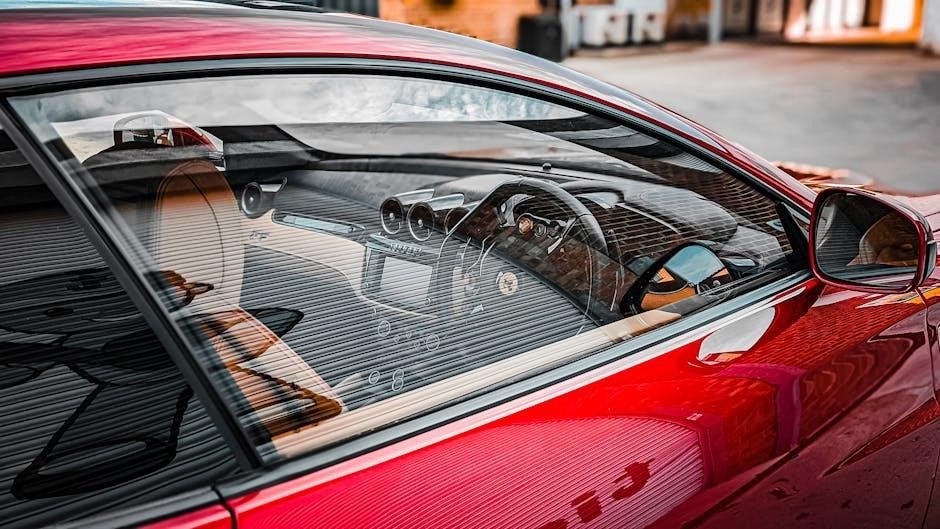
Within the 957 generation, the Cayenne GTS equipped with a manual transmission stands as the undisputed holy grail for enthusiasts and collectors. Introduced as a performance-focused variant, the GTS combined a naturally aspirated 4.8-liter V8 engine with a six-speed manual gearbox, delivering a uniquely engaging driving experience. This combination offered a compelling blend of power, responsiveness, and driver involvement, setting it apart from the more comfort-oriented automatic models.
The GTS manual was primarily available in European markets, further enhancing its rarity and desirability. Its limited production numbers, coupled with the growing appreciation for driver-focused Porsche SUVs, have driven up its market value considerably. The naturally aspirated V8 engine provides a distinct aural experience, adding to the GTS’s appeal.
Today, finding a well-maintained 957 Cayenne GTS manual represents a significant achievement for Porsche collectors, embodying a rare and rewarding connection to the driving experience.
Why Porsche Offered a Manual Cayenne
Porsche’s decision to offer a manual transmission in the Cayenne, despite its SUV categorization, stemmed from a commitment to providing a purist driving experience for enthusiasts. The company recognized a segment of its customer base that valued driver engagement and control above all else, even in a larger vehicle. Offering a manual gearbox allowed Porsche to cater to this niche market, reinforcing its performance-oriented brand image.
Furthermore, the manual Cayenne served as a statement of Porsche’s engineering capabilities, demonstrating that they could successfully integrate a traditional transmission into a relatively new vehicle platform. It wasn’t about mass appeal, but about offering a choice for those who truly appreciated the art of driving.
The availability of a manual also aligned with Porsche’s broader philosophy of providing customizable options, allowing customers to tailor their vehicles to their specific preferences. It was a nod to the brand’s heritage and a commitment to delivering a driving experience that resonated with enthusiasts.
Technical Specifications of the Manual Transmission
The manual transmission offered in the Porsche Cayenne is typically a robust six-speed unit, designed to handle the SUV’s weight and power. While not the most modern configuration by today’s standards, it was chosen for its durability and direct feel. Gear ratios were carefully selected to provide a balance between performance and everyday usability, ensuring both spirited driving and comfortable cruising.
The transmission features a single-plate clutch, requiring a slightly heavier pedal effort compared to modern dual-clutch systems. However, this contributes to the more engaging driving experience sought by enthusiasts. Internal components are constructed from high-strength materials to withstand the torque output of the Cayenne’s engines.
Interestingly, a seven-speed manual became available for the 911 Carrera S and 4S models in European markets, but this wasn’t extended to the Cayenne. The Cayenne’s manual transmission prioritizes robustness over the latest gear count, focusing on a reliable and satisfying mechanical connection between driver and vehicle.
Driving Experience: What Sets the Manual Cayenne Apart
The manual transmission transforms the Porsche Cayenne from a luxurious SUV into a genuinely engaging driver’s machine. The direct connection afforded by the six-speed gearbox allows for precise control over power delivery, fostering a more intimate relationship between driver and vehicle. This is a stark contrast to the often-insulated feel of automatic transmissions.
Drivers appreciate the ability to select gears themselves, optimizing performance during spirited driving or maintaining control in challenging conditions. The heavier clutch pedal and deliberate shift throws demand more driver involvement, rewarding skillful operation with a satisfying mechanical feel. It’s a more tactile and immersive experience.
While not necessarily faster than an automatic Cayenne, the manual version offers a heightened sense of control and connection. It appeals to enthusiasts who prioritize driving enjoyment over sheer speed, making every journey a more rewarding experience. It truly sets this Cayenne apart.
Market Value and Collectibility of Manual Cayennes
Manual transmission Porsche Cayennes, particularly the sought-after 957 GTS variant, command a significant premium in the used car market. Their rarity is the primary driver of increased value, as Porsche produced them in limited numbers, making them highly desirable to collectors and enthusiasts. Prices consistently exceed those of comparable automatic models.
Well-maintained examples with low mileage can fetch substantial sums, often exceeding $70,000 or even approaching six figures for exceptional GTS models. The increasing demand, coupled with the diminishing supply, suggests continued appreciation in value. This makes them a potentially sound investment for Porsche aficionados.
The collectibility is further enhanced by the growing appreciation for driver-focused vehicles. As automatic transmissions become increasingly dominant, the appeal of a manual Cayenne as a throwback to a more engaging driving era continues to grow. Condition, originality, and documented service history are crucial factors influencing market value.
Common Issues and Maintenance for Manual Cayenne Transmissions
While generally robust, manual Cayenne transmissions aren’t immune to age-related issues. Clutch wear is the most common concern, particularly with enthusiastic driving. Expect replacement intervals around 60,000-80,000 miles, depending on usage. Regular fluid checks and changes – every 30,000-40,000 miles with the correct Porsche-specified fluid – are crucial for longevity.
Synchro mesh issues, manifesting as difficulty shifting into specific gears, can occur, often requiring transmission rebuild or component replacement. Inspect shift linkage components for wear and proper adjustment, as imprecise shifting can accelerate internal wear. Listen for unusual noises during gear changes, indicating potential problems.
Preventative maintenance is key. Avoid aggressive shifting and “riding the clutch.” Address any leaks promptly. A thorough inspection by a Porsche specialist during pre-purchase is highly recommended. Ignoring minor issues can lead to costly repairs down the line, potentially exceeding the vehicle’s value.
Finding a Manual Cayenne for Sale: Where to Look
Locating a manual Cayenne requires patience and diligent searching. These models represent a small fraction of total Cayenne production, making them relatively scarce. Online marketplaces like Bring a Trailer, Cars and Bids, and Porsche Club of America (PCA) Mart are excellent starting points, often featuring well-documented examples.

Specialist Porsche dealerships, particularly those dealing in pre-owned vehicles, may occasionally have a manual Cayenne in stock. Expand your search geographically; be prepared to travel to secure the right vehicle. Online classifieds such as Craigslist and Facebook Marketplace can yield results, but require extra caution and thorough inspection.
Porsche forums and enthusiast groups are valuable resources for uncovering private sales. Networking within the Porsche community can provide leads on hidden gems. Be prepared to act quickly when a manual Cayenne appears, as demand often exceeds supply. Thorough pre-purchase inspections are essential, focusing on transmission health and service history.
The Impact of Sonderwunsch on Manual Cayenne Customization
Porsche’s Sonderwunsch program, translating to “special wishes,” significantly impacts the exclusivity and value of customized manual Cayenne models. This bespoke service allows clients to personalize their vehicles beyond the standard options, creating truly unique examples. While factory manual Cayennes are rare, those enhanced by Sonderwunsch are exceptionally so.
Historically, Sonderwunsch catered to individual preferences, offering unique paint colors, interior trims, and personalized badging. For manual Cayennes, this could involve specific shift knob designs, custom pedal sets, or tailored interior appointments reflecting the driver’s preferences. These customizations elevate the vehicle’s collectibility and desirability.
Documented Sonderwunsch modifications add a premium to the vehicle’s value, demonstrating a higher level of craftsmanship and personalization. The program’s influence extends to limited-edition Cayennes, further enhancing their appeal. Finding a manual Cayenne with a verifiable Sonderwunsch history represents a pinnacle of Porsche ownership, blending rarity with bespoke luxury.

Comparison with Automatic Cayenne Models
Comparing manual and automatic Cayenne models reveals distinct driving experiences and market positions. Automatic Cayennes prioritize ease of use and comfort, appealing to a broader audience seeking a luxurious SUV. They generally command lower prices than their manual counterparts due to greater availability.
However, the manual Cayenne offers a more engaging and connected driving experience, favored by enthusiasts who appreciate direct control. The manual transmission fosters a stronger sense of involvement, particularly on winding roads, enhancing the sporty character of the vehicle. This translates to a premium in the collector’s market.
Performance differences are subtle; both transmissions deliver capable acceleration, but the manual allows for precise gear selection. Automatic models often feature quicker shifts, but lack the driver engagement. Ultimately, the choice hinges on individual preference – convenience versus a more visceral, driver-focused experience. The rarity of the manual version further distinguishes it from the more common automatic.
The Future of Manual Transmissions in Porsche SUVs
The future of manual transmissions in Porsche SUVs, including the Cayenne, remains uncertain, mirroring a broader industry trend. While Porsche has demonstrated a willingness to offer manuals in the 911 based on customer demand, the Cayenne’s manual availability has been historically limited and discontinued. The shift towards electric vehicles and advanced automatic transmissions poses a challenge to manual survival.
However, a dedicated enthusiast base continues to champion the manual experience, potentially influencing Porsche’s future decisions. The increasing collectibility of manual Cayennes suggests sustained interest; Porsche’s “Sonderwunsch” program also indicates a willingness to cater to individual preferences, potentially including bespoke manual transmission options.
Ultimately, the decision will likely depend on market forces and Porsche’s brand strategy. A resurgence of manual Cayennes seems unlikely in the short term, but a limited-edition or special-order option cannot be entirely ruled out, especially if demand remains strong among Porsche purists. The focus will likely remain on optimizing automatic technology;
Modifications and Upgrades for Manual Cayenne Transmissions
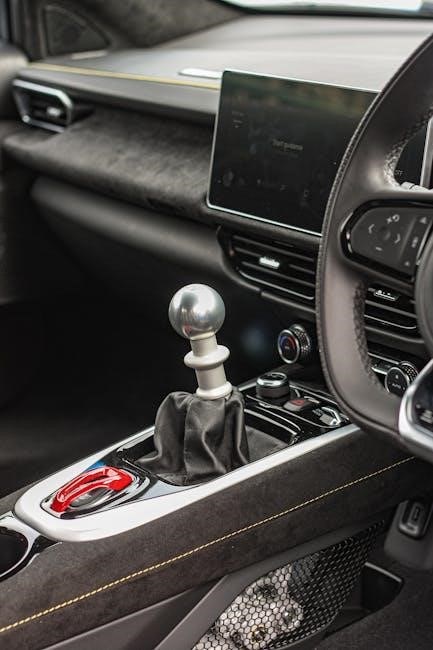
Modifications for manual Cayenne transmissions typically focus on enhancing durability and improving the driving experience. Common upgrades include installing a short-throw shifter for quicker, more precise gear changes, and a performance clutch kit capable of handling increased power output from engine tuning. Upgraded shift knobs, offering improved grip and feel, are also popular.
Strengthening the transmission itself is crucial for those pursuing significant power increases. This can involve replacing internal components with stronger aftermarket parts, such as gears and synchros. Properly addressing cooling is vital; an upgraded transmission cooler helps prevent overheating during spirited driving or track use.
Software adjustments, while less common, can refine shift mapping. Routine maintenance, including frequent fluid changes with high-quality synthetic oil, is paramount. Careful consideration should be given to matching modifications to the vehicle’s overall performance goals, ensuring reliability and longevity of the drivetrain.
The manual transmission Porsche Cayenne stands as a compelling choice for enthusiasts prioritizing driver engagement and a unique ownership experience. Its rarity elevates it beyond a mere utility vehicle, transforming it into a collectible Porsche with a distinct character. While automatic Cayennes offer convenience, the manual version delivers a visceral connection to the driving process, fostering a more rewarding experience.
The availability of the manual, particularly in the sought-after GTS guise, represents a high point in Porsche’s SUV offerings. Its enduring appeal lies in its ability to blend Porsche performance with the practicality of an SUV, all while offering the satisfaction of a traditional gearbox.
As these models age, their value is likely to continue appreciating, solidifying their status as a driver’s Porsche. For those seeking a unique and engaging SUV, the manual Cayenne is a truly special vehicle, offering a blend of luxury, performance, and driving pleasure rarely found elsewhere.