
Overview of My Family Lesson Plan PDF
This 5‑day unit blends social‑emotional learning, language arts, and fine‑motor projects. Daily circle songs, art crafts, and guided discussions help children name family members, share routines, and practice empathy. Parents can join for read‑alouds, enriching the classroom experience. All done
Downloadable PDF Resources and Templates
All lesson materials—flashcards, worksheets, craft sheets, readers, and songs—are available for download. Use the provided PDF links to access printable resources that support vocabulary, writing, and creative activities in the family unit. Download the PDF bundle for parents to use at home today

Printable Family Tree Worksheets
These worksheets guide young learners through the structure of a family, encouraging them to sketch and label relatives from grandparents to cousins. Each page includes a simple diagram with placeholders for names, encouraging the use of colors to differentiate generations. Students can write the name of each family member next to the corresponding box, reinforcing new vocabulary and kinship terms. The activity also prompts children to add a short description or a favorite activity for each person, fostering narrative skills and personal connection. Teachers can adapt the worksheet by adding cultural symbols or family photos, making the exercise inclusive and engaging. The printable format allows for easy distribution in both classroom and home settings, ensuring continuity of learning. Parents can use the same sheets to discuss family history, helping children practice speaking and listening in a supportive environment. The worksheets are part of the comprehensive PDF bundle, available for download from the lesson plan’s resource page. This resource supports the lesson’s focus on empathy, family identity, and language development while providing a tangible, creative activity that students can keep as a keepsake. By completing these worksheets, students not only strengthen their understanding of family relationships but also develop motor skills through drawing and labeling. The activity can be extended by having students bring in a family photo and trace it onto the worksheet, creating a tree that can be displayed in the classroom!
Character Profile Sheets for Family Members
These character profile sheets let students personify each family member, turning abstract kinship terms into vivid, relatable figures. Each sheet contains a simple layout: a space for a child’s drawing of the person, a name field, age or generation indicator, a short description of the person’s role in the family, and a “favorite thing” box. Teachers can pre‑fill the role and age fields (e.g., “grandmother – 68, storyteller”) and leave the drawing and favorite thing sections open for student input. This format encourages vocabulary practice (e.g., “grandfather,” “aunt,” “cousin”) while also developing fine motor skills and creativity. Students can write a sentence or two about what the person does in the family, such as “She makes cookies for birthdays.” The sheets can be grouped into a family tree, allowing children to see how each profile connects to the larger picture. Parents can use the same sheets at home to discuss family stories, helping children practice speaking and listening in a relaxed setting. The printable PDFs are available for download, and teachers can adjust the difficulty by adding more detailed prompts for older students. The activity supports the lesson’s goals of empathy, family identity, and language development, giving students a tangible way to explore who they are connected to. By completing these sheets, children not only practice new vocabulary but also develop empathy, as they consider each family member’s unique traits and contributions. Students love this.
Lesson Structure and Duration
This 5‑day unit starts with a warm‑up circle song, followed by a craft that illustrates family roles. Each day includes a short read‑aloud, a vocabulary drill, and a collaborative drawing. The lesson ends with a reflection circle, ensuring students can share insights and practice speaking.!!! :)!
Begin each session with a lively circle song that invites children to sing about family members, encouraging phonemic awareness and rhythm. Follow the song with a quick “family card” game: students match cards of parents, siblings, and grandparents, reinforcing vocabulary through tactile interaction. Next, display a large, colorful family tree poster and ask learners to point to their own names, fostering recognition and personal connection. A short read‑aloud of a simple family story introduces new terms, while a matching worksheet lets children pair pictures with words. Incorporate a craft where kids create a paper snow globe featuring their family, linking the visual with the spoken language. Conclude the warm‑up with a brief reflection circle, prompting each child to share one thing they love about their family. This sequence builds confidence, sets a supportive tone, and primes learners for the core lesson activities.
Teachers can also incorporate a simple “family photo collage” activity, where children paste pictures of their family members onto a large poster and label each person. This visual aid reinforces the new vocabulary and allows for a tactile learning experience. Additionally, a short role‑play session can be added, encouraging children to act out everyday family routines, such as cooking breakfast or reading bedtime stories. This interactive segment not only solidifies language use but also promotes social skills and empathy among peers. Students can also share a short story about their family, which helps reinforce narrative skills. !!!!
Core Lesson Activities and Materials
During the core segment, students explore family roles through a series of interactive tasks. First, a “Family Role‑Play” station allows children to dress up as parents, grandparents, or siblings using simple props, encouraging imaginative use of new vocabulary. Next, a matching activity pairs family member pictures with corresponding words, reinforcing recognition. A collaborative “Family Tree” project follows: each child adds a leaf with their name and a brief description of a family activity, fostering writing and speaking skills. A “Story Sequencing” game uses a snow globe storybook; learners arrange picture cards to build a narrative about a family outing, promoting logical sequencing. Finally, a group discussion circles back to empathy: children share feelings about family traditions, guided by prompts that ask “What makes your family special?” Materials include printed cards, paper snow globes, markers, and a large family tree template. The lesson concludes with a reflection sheet where students draw their family and write one sentence about a favorite memory. This structured approach ensures vocabulary retention, narrative development, and emotional understanding. Teachers can refer to the downloadable PDF templates for family tree worksheets and character profiles, ensuring consistency across lessons. Assessment is embedded through observation of role‑play participation and the accuracy of matching tasks, while the reflection sheet provides a quick formative check of language use. Overall, the core activities integrate language, literacy, and social skills, creating a holistic learning experience that celebrates diversity within families. Students also create a short family song, practicing rhythm and pronunciation while celebrating their unique family stories;

Assessment and Reflection
Assessment in the family lesson plan is designed to be both formative and summative, ensuring that learners demonstrate understanding of family vocabulary, narrative structure, and empathy. Teachers use a quick‑look rubric during role‑play stations, marking participation, correct use of family member terms, and the ability to describe family activities. A matching activity sheet is graded for accuracy, with a simple “yes/no” check that students can self‑correct with peer help. The family tree project is evaluated on completeness, correct labeling, and the inclusion of a short descriptive sentence for each family member. For literacy, students write a one‑sentence reflection about a favorite family memory; the teacher checks for correct tense, punctuation and the presence of at least one family member word. A short oral interview follows, where the child explains one family tradition, allowing the teacher to assess speaking fluency and pronunciation. Reflection is encouraged through a “Family Feeling” chart, where students place a sticker on a mood scale that best represents how they feel about their family. At the end of the unit, a group discussion prompts students to share what they learned about empathy and family diversity. Teachers compile a portfolio of student work, including the family tree, reflection sentences, and a photo of the role‑play. This portfolio serves as a summative assessment, showcasing growth in language use, narrative skills, and emotional awareness. Students enjoy family photos!

Vocabulary and Language Focus
Key family terms such as mother, father, sibling, cousin,and grandparent are introduced with phonetic cues. Students practice pronunciation, form sentences, and use flashcards to reinforce memory Matching games link words to pictures, recall and joy.
Family Member Words and Pronunciation Guide
In this section, learners encounter essential family vocabulary: mother, father, brother, sister, cousin, aunt, uncle, grandparent, and child. Each word is paired with a phonetic transcription and a short audio cue to aid pronunciation. For example, “mother” is pronounced /ˈmʌðər/, “sister” /ˈsɪstər/, and “grandparent” /ˈɡrændˌpɛrənt/. Interactive flashcards display a picture on one side and the word with its phonetic spelling on the reverse. Children repeat the word aloud, then use it in a simple sentence such as “My mother is kind.” The guide also includes a pronunciation drill: repeating the word after the teacher, then in pairs, and finally in a group chant to reinforce rhythm and stress patterns. To support diverse learners, the audio recordings are available in both American and British accents, and a visual cue of mouth shape is shown for tricky sounds like the “th” in “father.” Parents are encouraged to practice at home by reading the word list aloud with their child and recording themselves to compare pronunciation. This focused approach ensures that students not only recognize family titles but also master the correct sounds, building confidence for future conversational practice.
Additional practice can be done by creating family role‑play cards, where children act out daily routines. They can also record a short video diary of a family meal, then share the clip in class. This reinforces listening and speaking skills while celebrating diversity.
Students love this daily plan!?
Sentence Construction and Usage Examples
Students build sentences using family terms, practicing subject‑verb agreement and possessive forms. Begin with simple structures: “My mother cooks.” “The father reads.” Then introduce modifiers: “My brother is tall.” “Her sister likes music.” Encourage comparative sentences: “My uncle is older than my aunt.” Provide a template: “The _______ of _______ is _______.” Example: “The grandfather of my cousin is a teacher.” Use question forms: “Who is your cousin?” “What does your aunt do?” Students write short dialogues: “Mom: What do you want for dinner? Child: I want pizza.” They also create a family tree sentence: “My family has three generations: my parents, my grandparents, and me.” Practice with possessive pronouns: “My brother’s bike is blue.” “Your sister’s book is new.” End with a reflective sentence: “I love my family because they support me.”
Students also practice using family terms in questions: “Who lives in your house?” “What does your grandfather do?” They create a family map diagram, labeling each member with a picture and a short description. The lesson encourages students to ask about relatives in their own families, fostering cultural awareness. Teachers can incorporate a “Family Story” activity where children draw a comic strip showing a typical family day. Finally, students present their family tree orally, using the vocabulary learned, and receive peer feedback on pronunciation and sentence structure. Students will confidently use these words in daily conversations!!
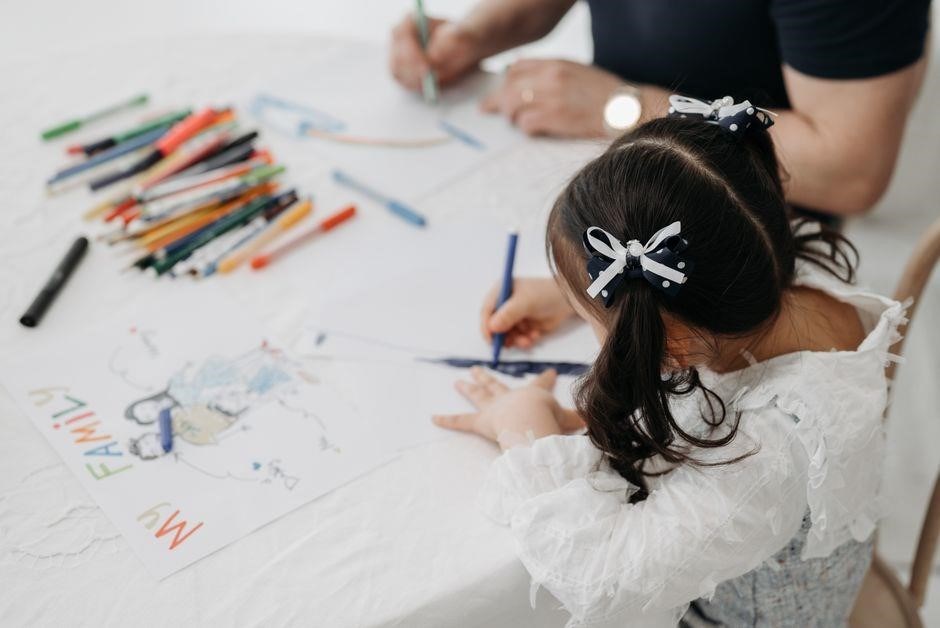
Activities for Different Age Groups
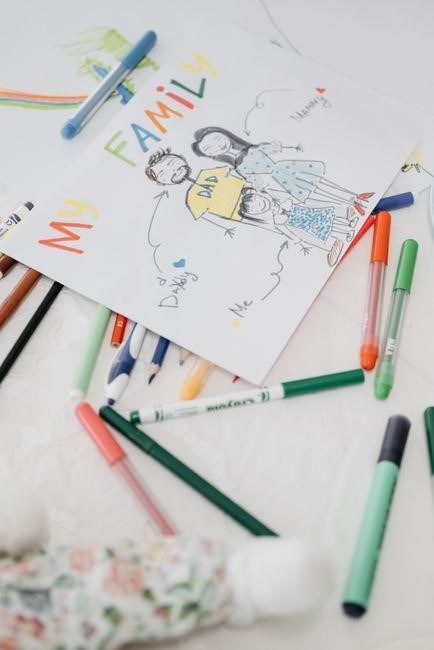
Preschoolers craft snow globes to name family members. Elementary students write comic strips depicting family routines. Middle‑grade learners research diverse families and create a digital poster. High‑schoolers analyze family narratives in literature, presenting findings in a debate. Students share!!
Preschool Adaptations with Hand‑Made Snow Globes
In the first lesson, children gather recycled bottles, water, glitter, and small family‑shaped stickers. They learn to label each family member—mom, dad, brother, sister—while practicing phonemic awareness. The activity encourages fine‑motor skills as kids carefully seal the lids, ensuring no glitter escapes. After the craft, the class engages in a circle time song, “Who’s in My Family?” that repeats the newly learned vocabulary. Teachers can then use flashcards to reinforce the words, asking students to point to the correct sticker on their snow globe. The snow globe becomes a visual aid for later story sequencing, where children describe a family day using simple sentences. This hands‑on approach not only introduces family terms but also fosters empathy by discussing how each member contributes to daily life. Parents are invited to read aloud a short book about families, linking the craft to real‑world contexts. The lesson ends with a quick reflection: students share one thing they love about their family, solidifying the connection between language and personal experience.
During the activity, teachers observe how children use gestures to indicate family roles, reinforcing kinship vocabulary. The snow globe becomes a storytelling hub, where each child narrates a family tradition, fostering narrative skills and cultural appreciation. This tactile method supports early literacy and social bonding. and songs daily, shared together now.
Elementary‑Level Writing Prompts and Comic Strips
During the review,students use a simple rubric that highlights clear sequencing,correct verb tense,and vivid vocabulary.They then swap comics with a partner,annotating strengths and suggestions.The teacher collects a sample of each comic to create a class anthology,which is displayed in the hallway for parents to see.This shared artifact reinforces the lesson’s focus on family stories and collaborative learning.!!